
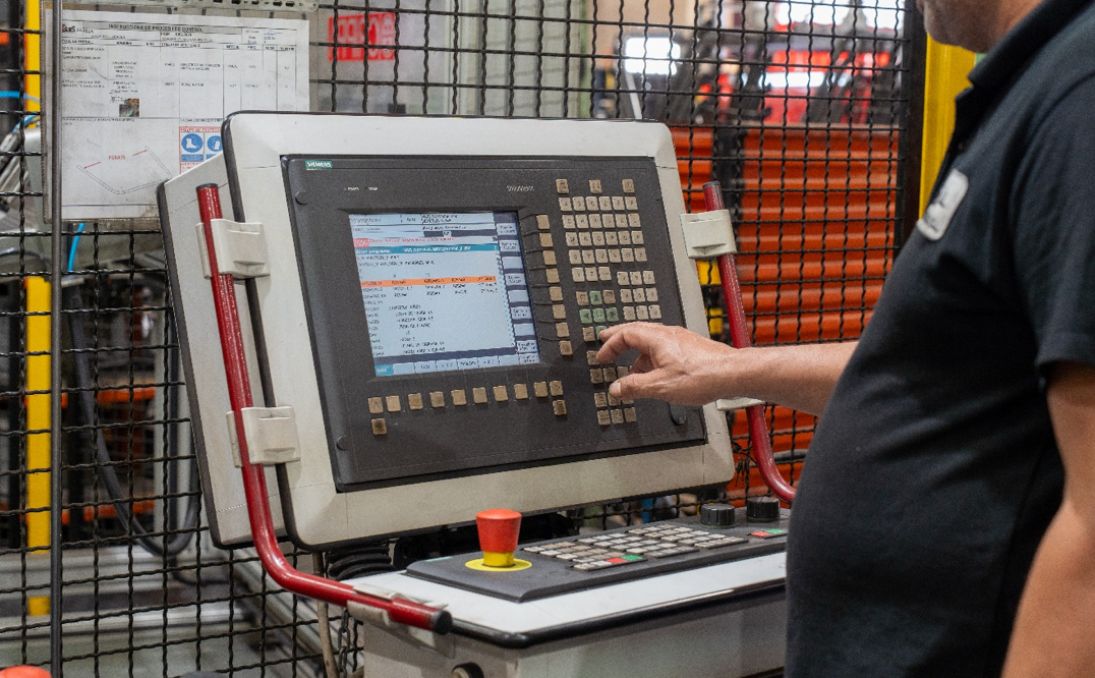
Automation and numerical control have transformed manufacturing processes in sectors such as automotive, metal furniture, technical structures, industrial machinery, and commercial equipment. Thanks to new CNC systems, it is now possible to manufacture bent tubes with greater accuracy, optimize production times, and improve the stability of each part.
Additionally, specialized organizations like the Northwestern Metallurgical Research Association (AIMEN) They highlight the importance of automation and advanced manufacturing in transforming industrial processes related to metal and component shaping.
How has CNC tube bending machinery evolved?
Greater precision in every curve.
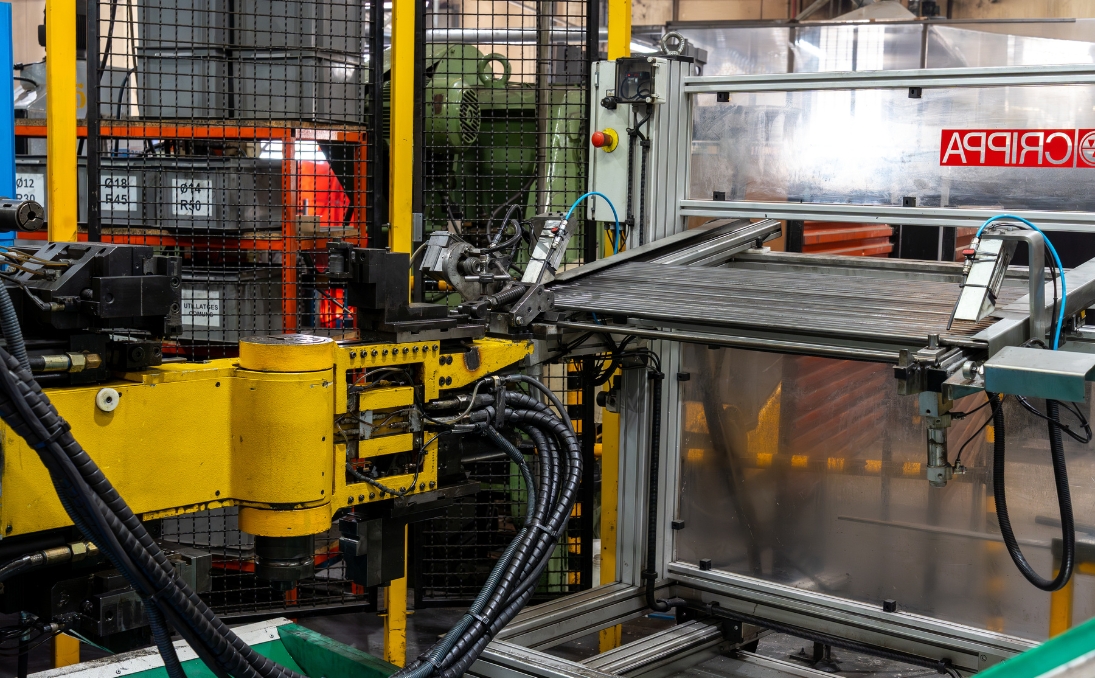
One of the main advancements of CNC tube bending machinery is the ability to control critical parameters such as radius, angle, position, and repeatability of the process. This allows for more uniform results, even on complex parts or those with multiple bends.
In industrial processes, precision is fundamental to avoid later problems with assembly, tensions, or dimensional deviations. Therefore, the cold tube bending It has become an essential solution for manufacturers and engineering firms that need reliable and consistent components.
Adaptation to different materials and diameters
Current CNC technology allows working with a wide variety of materials and thicknesses. New developments in machinery improve control over tube deformation, reduce surface marks, and help maintain the structural stability of the workpiece throughout the entire process.
Advantages of automation in tube bending
Error reduction and greater repeatability
Automation facilitates the production of identical parts in short, medium, or long runs. Once the correct parameters are programmed, CNC tube bending machinery can reproduce the same geometry with high precision and less dependence on manual adjustments.
This is especially useful for industries that require repetitive components with controlled tolerances and consistent finishes.
Production time optimization
Modern CNC systems reduce setup times and reference changes. New programming interfaces allow for faster introduction of bending sequences and more agile management of corrections.
For custom industrial projects, this capability enhances production flexibility and makes it easier to respond to variable demands without compromising quality.
Integration with forming and welding processes
Manufacture of complete tubular assemblies
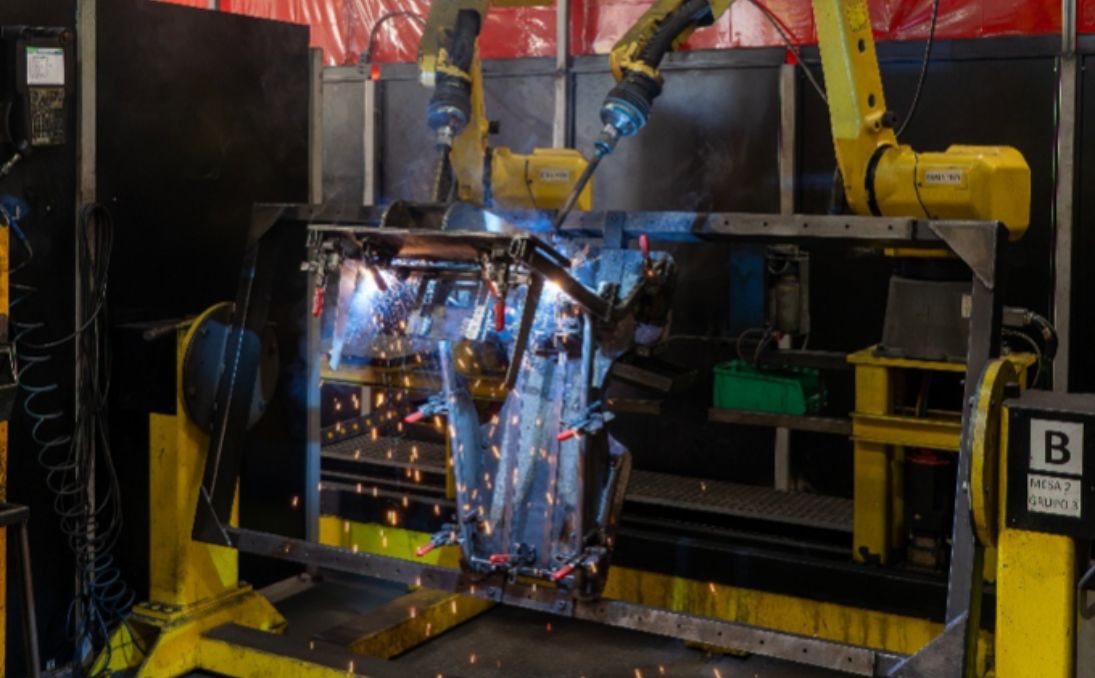
CNC tube bending machinery does not work in isolation. It is becoming increasingly common to integrate bending with other industrial processes such as tube forming Hello welding.
This integration allows for the manufacturing of ready-to-assemble subassemblies, optimizing logistics and reducing unnecessary handling during production.
Greater efficiency in industrial projects
Centralizing different processes with a single supplier helps maintain dimensional consistency across operations and improves final quality control. For manufacturers and engineering firms, this translates into fewer incidents and more efficient project management.
The importance of technical knowledge in CNC bending
Technology needs experience
Having advanced machinery is important, but the results also depend on the technical knowledge applied to the process. Factors such as material, thickness, bending radius, or tube behavior directly influence the final quality.
With over 40 years of experience, COES works from Terrassa (Barcelona) developing bending and forming solutions tailored to national and international clients.
Solutions adapted to each project
Each tubular part has specific needs. Correctly analyzing the technical requirements from the outset helps define the appropriate process and avoid later manufacturing or assembly problems.
If you need technical advice for a tubular part or an industrial project, you can consult the services of COES to contact the technical team directly.
Frequently Asked Questions about CNC Tube Bending Machinery
What advantages does CNC bending offer compared to other systems?
CNC bending allows for more precise control of manufacturing parameters, improving repeatability and reducing deviations between parts. This is especially important in industrial sectors where tolerances and final fit are critical.
Can CNC machinery work with different materials?
Yes. CNC tube bending machinery can be adapted to different materials, diameters, and thicknesses. Proper process configuration helps minimize deformation and maintain surface quality of the workpiece.
Is it possible to combine bending and welding in the same fabrication process?
Yes. Many industrial projects require integrating bending, forming, and tube welding to manufacture complete kits ready for mounting or assembly.
What information is needed to value a piece?
It is recommended to provide drawings, material, diameter, thickness, radii, quantities, and any additional technical requirements. This information helps define the most suitable process and correctly assess manufacturing feasibility.
Innovation and precision for industrial projects
The evolution of CNC tube bending machinery allows for the manufacturing of more complex, precise, and repeatable parts for multiple industrial applications. The combination of advanced technology and technical expertise is key to ensuring reliable results tailored to each project.
If you are looking for a specialized provider in tube bending, conformed and industrial tubular manufacturing, contact COES to discuss your project.
 Español
  English
  Català