
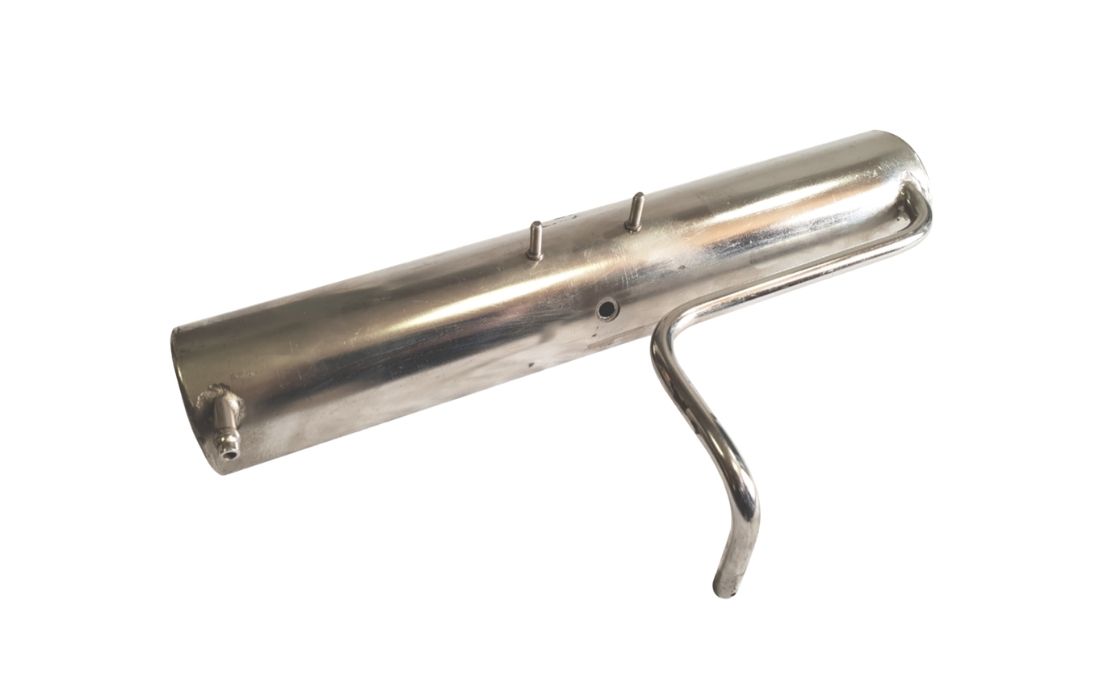
Stainless steel tube bending plays a fundamental role in the manufacturing of components for the automotive industry. The image shows a precisely formed stainless steel tube, a representative example of the industrial processes used to obtain complex geometries without compromising the mechanical strength or surface quality of the material.
In a sector where efficiency, durability, and space optimization are determining factors, tube bending allows for the development of solutions tailored to the technical requirements of manufacturers, engineers, and component suppliers. Thanks to the evolution of forming technologies, it is now possible to manufacture parts with tight tolerances and high repeatability for critical applications within vehicles.
The importance of stainless steel tube bending in automotive
The automotive industry requires components capable of withstanding demanding conditions of temperature, vibration, pressure, and corrosion. Stainless steel meets these characteristics, making it a widely used material in multiple vehicle systems.
Tube bending allows the routing of conduits and structures to be adapted to confined spaces, optimizing the design and improving the overall performance of the assembly.
The use of stainless steel continues to grow in mobility and advanced manufacturing applications thanks to its mechanical properties and corrosion resistance. The international association World Stainless Association offers technical information on industrial applications and the global development of stainless steel.
Advantages of stainless steel
- High corrosion resistance.
- Excellent mechanical behavior.
- Long service life.
- Ease of forming and welding processes.
- Maintenance cost reduction.
Applications of tube bending in exhaust systems
One of the best-known uses of stainless steel tube bending is found in exhaust systems. These assemblies require complex routing that must adapt to the chassis and other mechanical components.
Precision in bending allows for maintaining constant diameters and minimizing restrictions to gas flow, contributing to engine performance and compliance with emissions requirements.
Benefits in exhaust systems
- Gas flow optimization.
- Higher resistance to high temperatures.
- Reduction of single points of failure.
- Efficient integration in limited spaces.
At COES, we develop tailored solutions through our service of tube bending, oriented towards demanding industrial projects.
Fluid conduits and hydraulic systems
Modern vehicles incorporate numerous circuits for fluid transport, including fuel, cooling, compressed air, and hydraulic systems.
Precise tube forming allows for the manufacturing of optimized routings that improve internal distribution and facilitate assembly during manufacturing processes.
Common technical requirements
- Pressure resistance.
- Watertight.
- Compatibility with various fluids.
- High dimensional accuracy.
The combination of bending and tube forming allows obtaining components tailored to the specific needs of each manufacturer.
Structural components and reinforcements
Beyond technical conduits, stainless steel tube bending is also used in auxiliary structures and reinforcement elements found in various types of vehicles.
The ability to generate complex shapes without weakening the material allows for the manufacturing of lightweight and strong components that contribute to improved safety and durability.
Typical applications
- Support structures.
- Backstage support.
- Mechanical protections.
- Specific reinforcement elements.
Technology and precision in the bending process
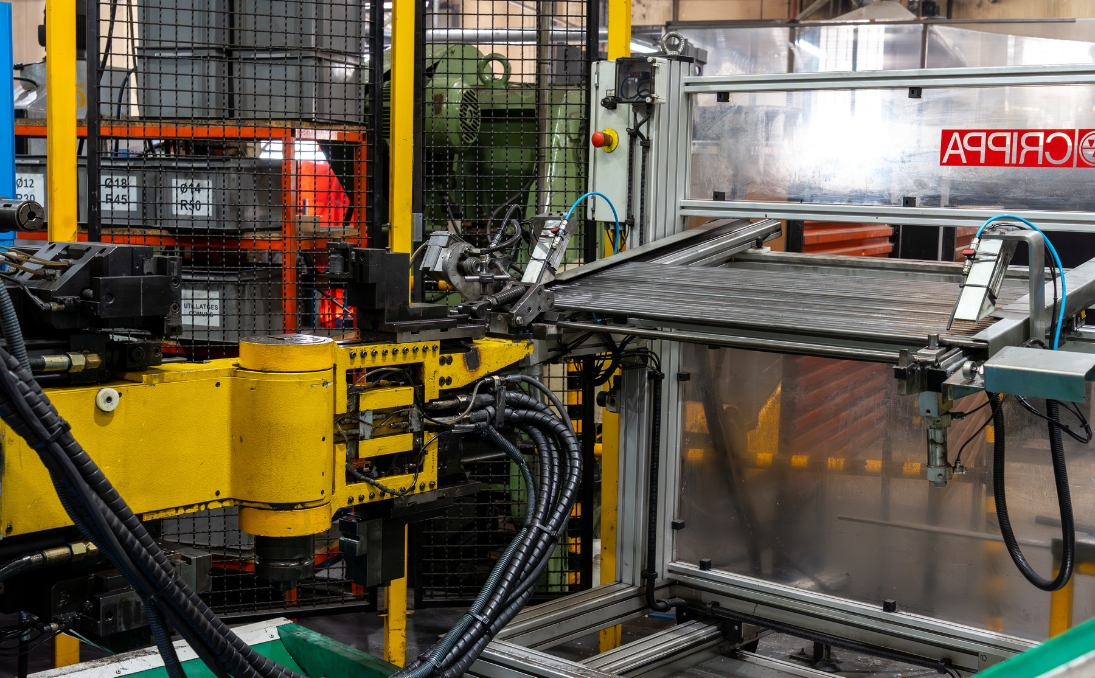
The final quality of a part largely depends on the technology used during the manufacturing process. State-of-the-art equipment allows for the control of critical parameters such as curvature radius, ovalization, and repeatability.
At COES, with over 40 years of experience in the industrial and metallurgical sector, we work to offer solutions tailored to national and international projects that require high levels of precision.
Factors influencing bending quality
- Tube diameter.
- Wall thickness.
- Stainless steel type.
- Required radius of curvature.
- Project Tolerances.
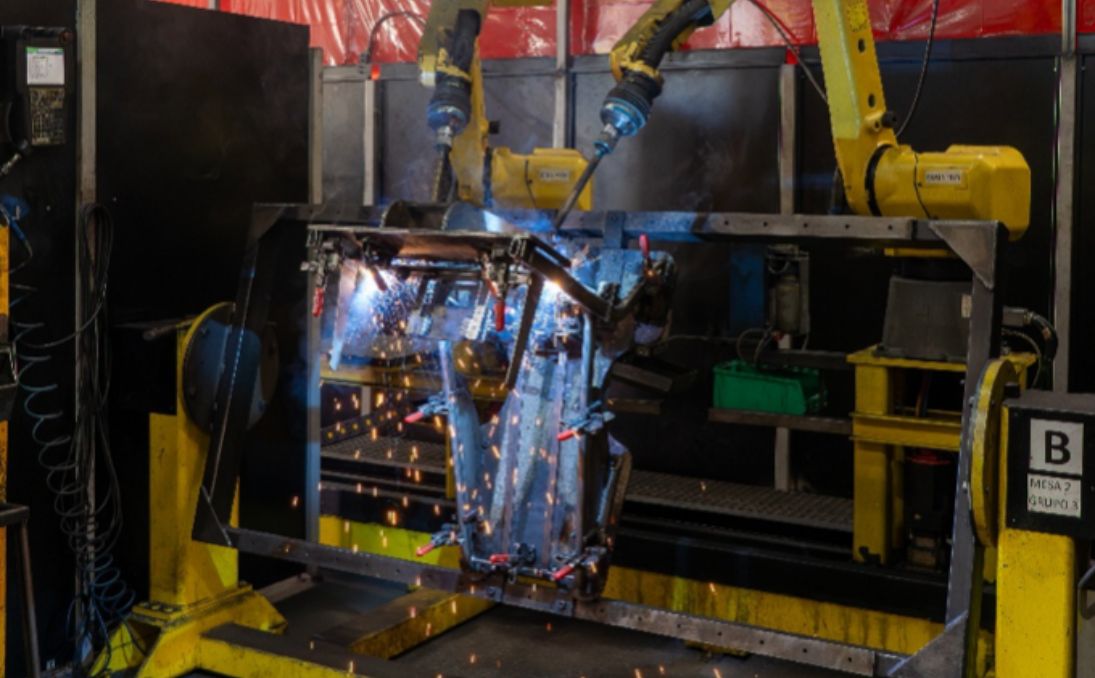
When the project requires complementary operations, integration with processes of tube welding allows for the delivery of kits ready for integration into the production line.
Why choose a specialist in tube bending for automotive
Projects intended for the automotive industry demand reliability, consistency, and adaptability. Working with a specialized supplier allows for the reduction of incidents, optimization of manufacturing times, and the guarantee of the quality of each component.
COES offers customized solutions for manufacturers, engineering firms, and distributors seeking an industrial partner capable of meeting complex requirements across different materials and diameters.
Technical experience and adaptability are determining factors for ensuring quality results. We invite you to learn more about. COES and our trajectory of over 40 years offering bending and forming solutions for multiple industrial sectors.
If you need a tailored solution for your project, you can request advice through our contact form.
Frequently Asked Questions about Stainless Steel Tube Bending in Automotive
Stainless steel is used in automotive components for several reasons: * **Corrosion Resistance:** This is a primary benefit. Stainless steel alloys contain chromium, which forms a passive oxide layer on the surface. This layer protects the metal from rust and corrosion caused by exposure to moisture, road salt, and other environmental factors. This is crucial for parts that are constantly exposed to the elements, like exhaust systems, fuel lines, and trim. * **Strength and Durability:** Stainless steel is a strong material that can withstand the stresses and vibrations encountered in a vehicle. It maintains its structural integrity over time, contributing to the longevity of automotive parts. * **Heat Resistance:** Many stainless steel alloys can withstand high temperatures without significant loss of strength or structural integrity. This makes them ideal for components in the exhaust system, such as mufflers, catalytic converters, and exhaust pipes. * **Aesthetics:** The polished or brushed finish of stainless steel offers an attractive look, making it suitable for interior and exterior trim, emblems, and other decorative elements. * **Formability and Weldability:** Many grades of stainless steel are relatively easy to form into complex shapes and can be welded effectively, allowing for diverse automotive designs and manufacturing processes. * **Long Lifespan:** Due to its inherent durability and resistance to degradation, stainless steel components often have a longer lifespan compared to those made from other materials, reducing the need for frequent replacements.
Stainless steel offers a balanced combination of mechanical strength, durability, and corrosion protection. These characteristics enable the manufacturing of components capable of withstanding demanding conditions over long service periods.
What advantages does bending offer over other manufacturing solutions?
Bending allows for the creation of complex geometries with fewer joints and welds, improving component reliability and optimizing assembly processes within the vehicle.
Can custom parts be manufactured for specific projects?
Yes. Modern bending and forming processes allow for the adaptation of diameters, radii, and configurations to the specific requirements of each industrial application.
Aerospace, medical, furniture, construction, and oil and gas.
Curved tubes have applications in industrial machinery, construction, metal furniture, energy, the food industry, and numerous sectors that require precision-formed components.
Does COES work with different materials and diameters?
Yes. COES has experience working with different materials and configurations, adapting to the technical needs of each industrial project.
 Español
 English
 Català