
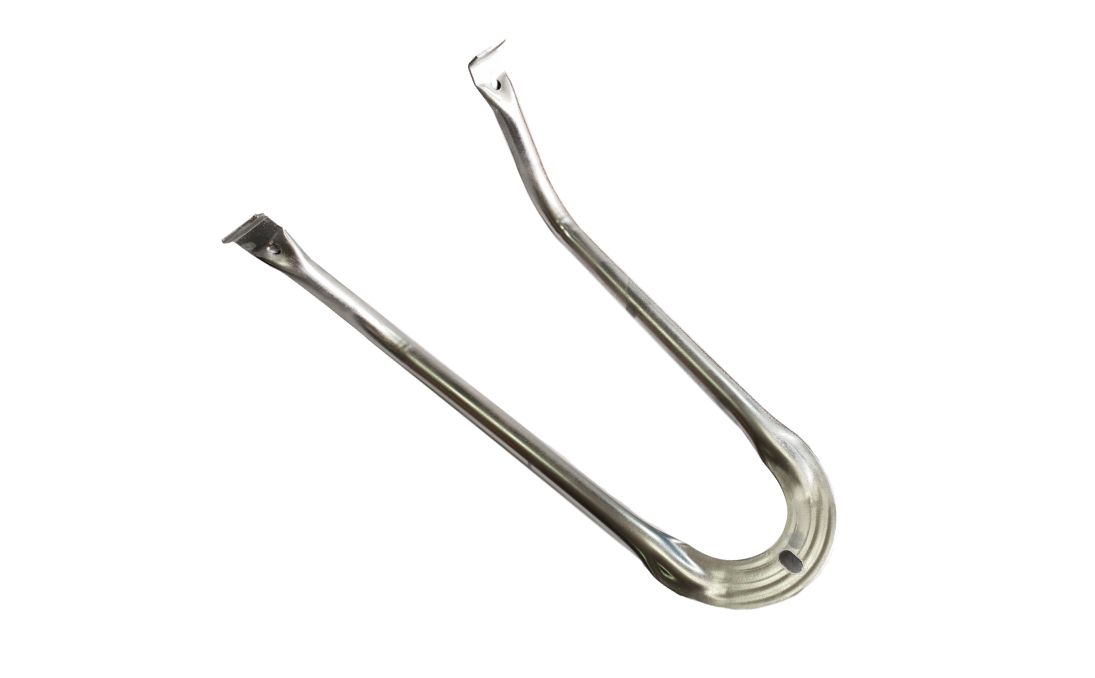
The tube forming and energy efficiency in the metallurgical industry are increasingly linked. Industrial companies seek to reduce consumption, optimize processes and improve their competitiveness without compromising the quality of the final product. In this context, tube forming is positioned as a key technical solution to achieve functional, light and efficient structures.
Tube forming as a strategic process
Tube forming allows the geometry of a tube to be modified without removing material, adapting it to the functional requirements of each application. Unlike other more invasive processes, this method makes maximum use of the raw material and reduces subsequent operations.
In sectors such as automotive, industrial machinery or technical installations, tube forming is essential to integrate ducts, structural reinforcements or transmission elements with precision and repeatability.
Reduced material consumption and waste
By not requiring unnecessary cutting and additional welding in many applications, tube forming reduces material waste. This optimization translates directly into reduced energy impact associated with metal production and processing.
Energy efficiency applied to modern metallurgy
Energy efficiency in the metalworking industry depends not only on the electrical consumption of the machines, but also on how the processes are designed and executed. Tube forming contributes to this goal by reducing production steps and minimizing rework.
A well-formed tube design can replace complex welded assemblies, reducing manufacturing times and overall energy consumption.
Optimized processes and reduced operations
By integrating several functions into a single formed part, secondary processes such as welding, additional machining or complex assembly are eliminated. This results in direct savings in energy, labor and production resources.
Cold tube forming and its energy impact
Cold tube forming is particularly relevant from an energy point of view. As it is carried out without significant heat input, it avoids the consumption associated with furnaces, preheating or subsequent heat treatments.
This type of forming maintains the mechanical properties of the material and allows working with tight tolerances, which is essential in demanding industrial applications.
Advantages over thermal processes
- Lower energy consumption per manufactured part
- Increased dimensional stability
- Reduction of unwanted deformations
- Reduced environmental footprint of the process
At COES, cold tube forming is part of a strategy aimed at production efficiency and total process control.
Intelligent design of tubular components
Energy efficiency depends not only on the manufacturing process, but also on the design of the component. A correctly shaped tube can improve the performance of the system in which it is integrated, either by reducing load losses, structural weight or vibrations.
Working on forming from the design phase allows engineering companies and manufacturers to optimize the final assembly, reducing energy consumption throughout the useful life of the product.
Typical industrial applications
- Light metallic structures
- Technical conduits and fluid systems
- Components for industrial machinery
- Tailor-made solutions for special installations
Custom tube forming solutions at COES
At CORVATS ESPECIALS SL (COES), based in Terrassa (Barcelona), we offer tube forming solutions adapted to the specific needs of each industrial customer. Our experience of more than 40 years allows us to tackle complex projects with a technical and efficient approach.
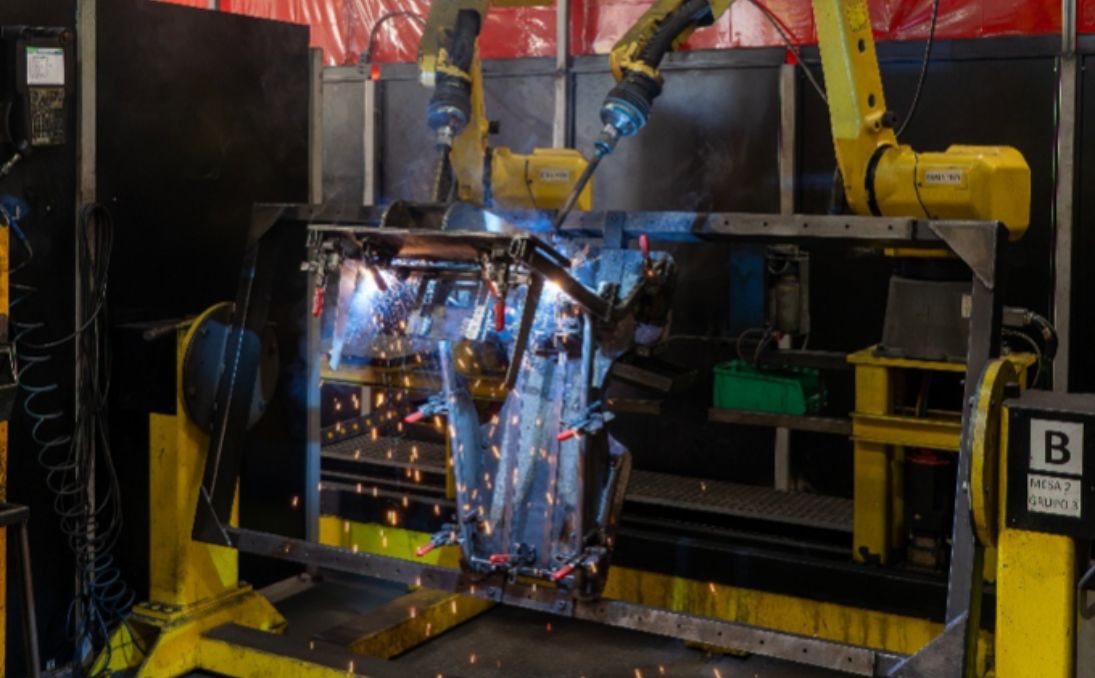
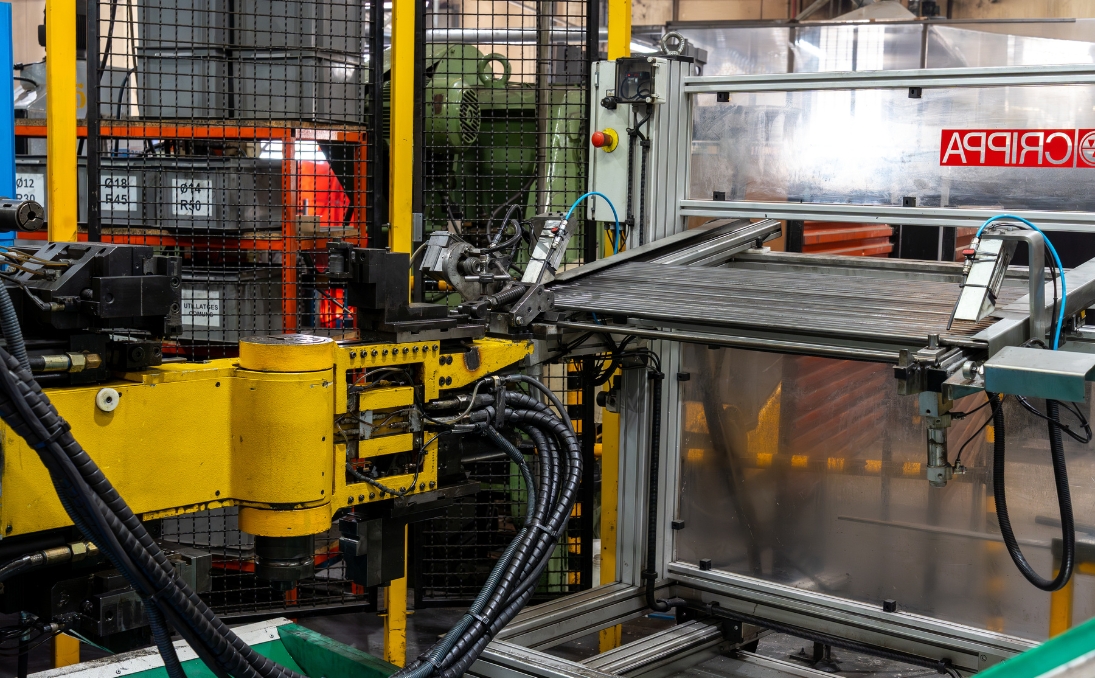
We combine tube forming with other complementary processes, such as the tube bending and the tube welding, optimizing the entire production process.
Looking to reduce energy consumption without sacrificing quality? Discover how our tube forming service can help you.
FAQs on tube forming and energy efficiency
Why is tube forming more efficient than other processes?
Because it allows the tube to be shaped without removing material or adding unnecessary processes. This reduces energy consumption, production time and waste, improving the overall efficiency of the metallurgical process.
Does cold tube forming consume less energy?
Yes, since no heating of the material is required, cold forming avoids the use of furnaces or heat treatments, which means significant energy savings compared to other methods.
Which sectors benefit most from efficient tube forming?
Automotive, industrial machinery, technical installations, energy and metal structure manufacturers are some of the sectors where tube forming brings clear advantages in efficiency and design.
Does COES work on customized forming projects?
Yes, at COES we develop customized solutions according to drawings or technical specifications, adapting the forming process to optimize functionality, energy consumption and industrial viability.
Where can I ask for technical advice?
You can contact directly with our team through the contact page or learn more about our experience in the company.
 Español
  English
  Català